Follow Me On Social Media!

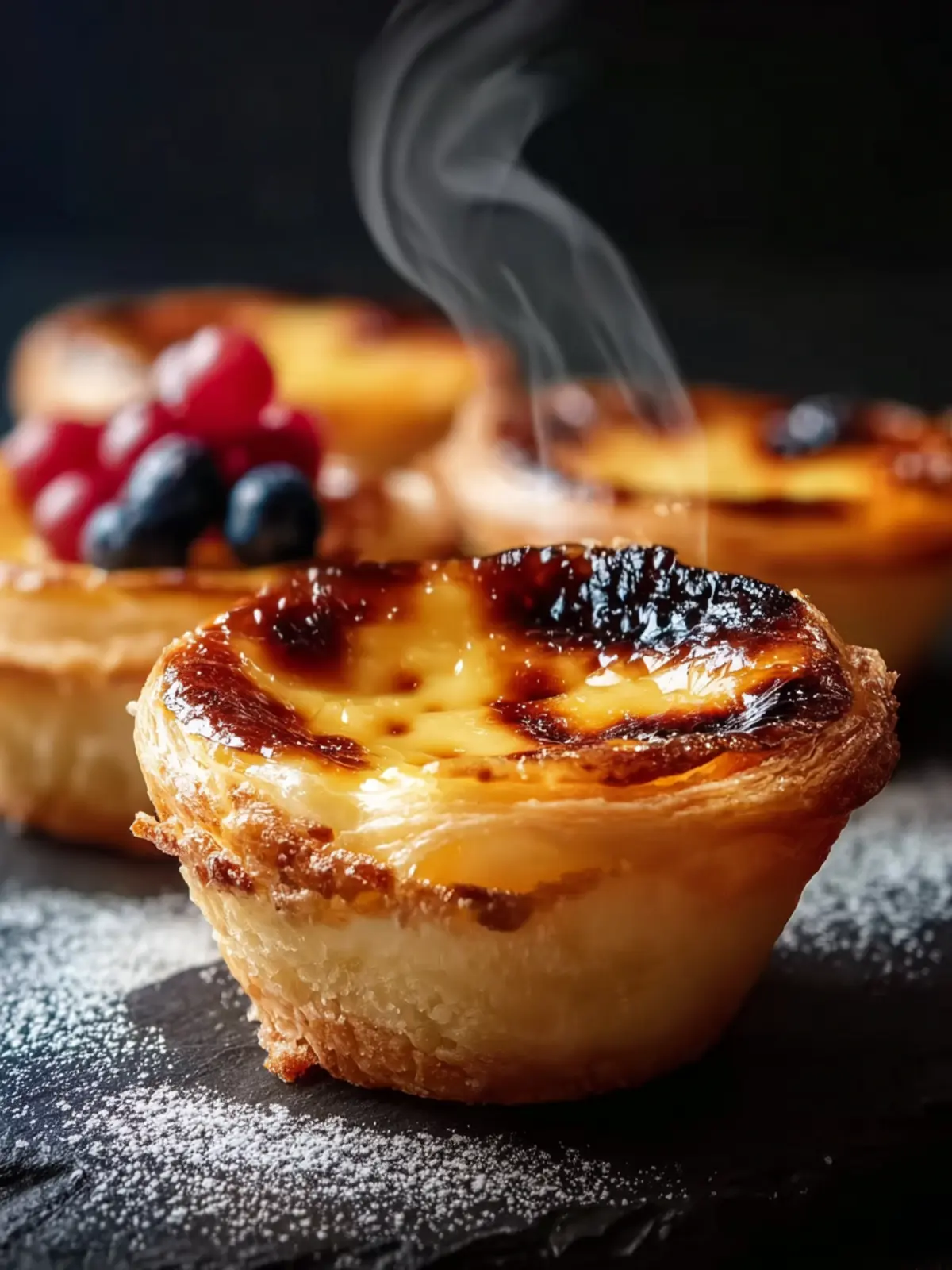
Pastel de Nata: Irresistibly Creamy Custard Delights at Home

Introduction to Pastel de Nata
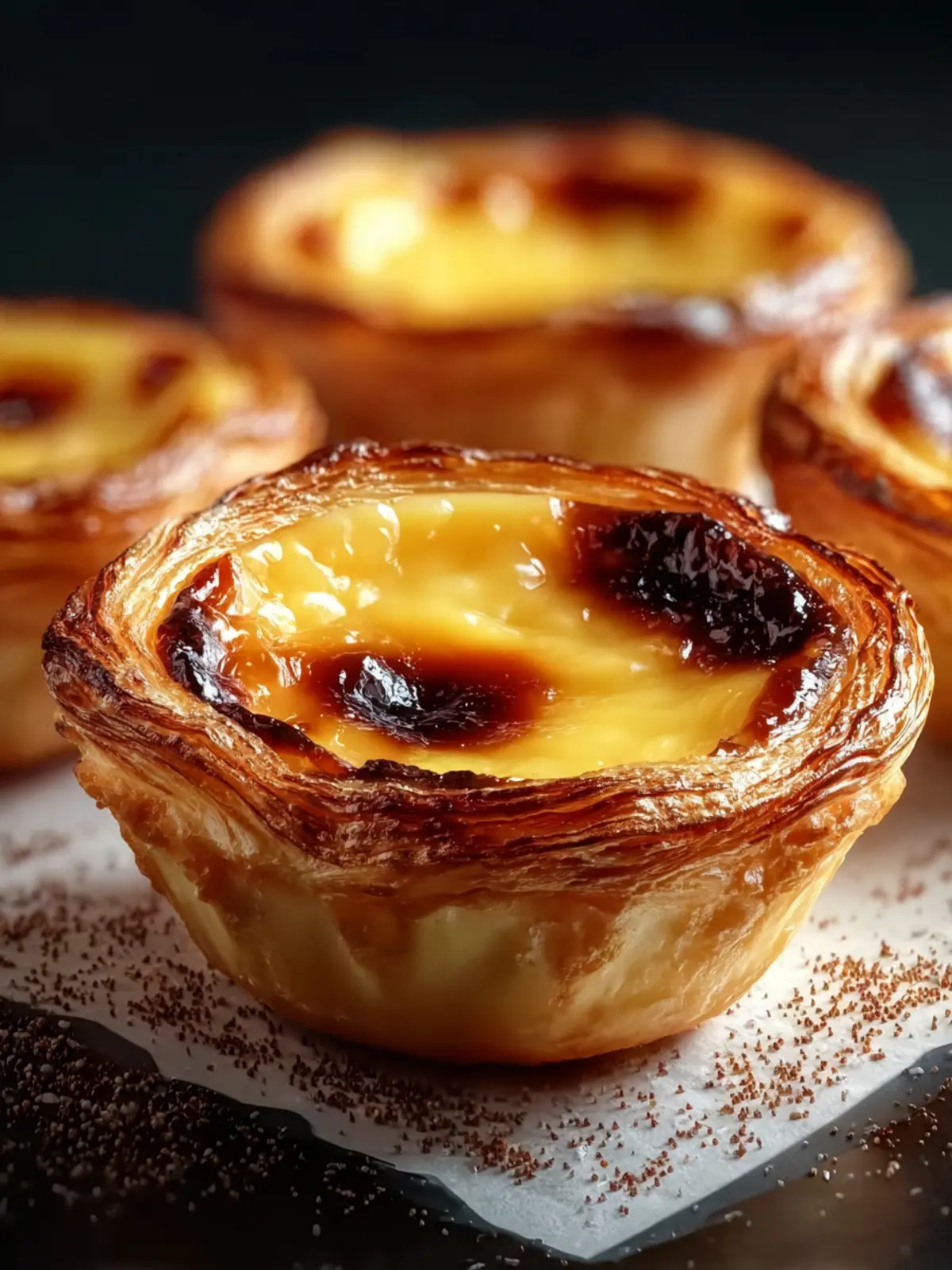
The delightful Pastel de Nata is much more than just a pastry; it’s a golden-brown symbol of Portugal’s rich culinary heritage. Imagine biting into its flaky, crispy crust and discovering a velvety custard center, punctuated by a lightly caramelized top. This dessert tells the story of centuries of Portuguese tradition and creativity, making it a treat that transcends borders. Don’t let the simplicity of its appearance fool you; every bite is a journey back to the cobblestone streets of Lisbon, where these tarts are baked to perfection in local bakeries.
As we dive into the world of Pastel de Nata, you might find yourself asking, why is this dessert a must-try? Well, the allure lies not only in its exquisite taste but also in the experience it offers. Picture yourself sitting at a quaint café, savoring a warm tart with a sprinkle of cinnamon on top, perhaps with a glass of port. This dessert has the ability to transport you to a moment of indulgence, where time stands still, and all that matters is the sweet satisfaction you feel.
Beyond personal enjoyment, there’s a wider appreciation of Pastel de Nata in the culinary world. According to a 2023 survey by TasteAtlas, it ranks among the top must-try desserts globally, showcasing the universal appeal of its flavors. Whether you’re a seasoned baker or a novice, attempting to make your own Pastel de Nata can be a rewarding experience. The blend of creamy custard with the crisp pastry shell is something that everyone should experience at least once, preferably with friends or family to share the joy.
Even if you can’t make it to Portugal, bringing Pastel de Nata into your home kitchen offers a chance for creativity and connection. So, let’s roll up our sleeves, gather the ingredients, and embark on the wonderful journey of creating these charming little custard tarts. Your taste buds will thank you!
Key Ingredients for Pastel de Nata
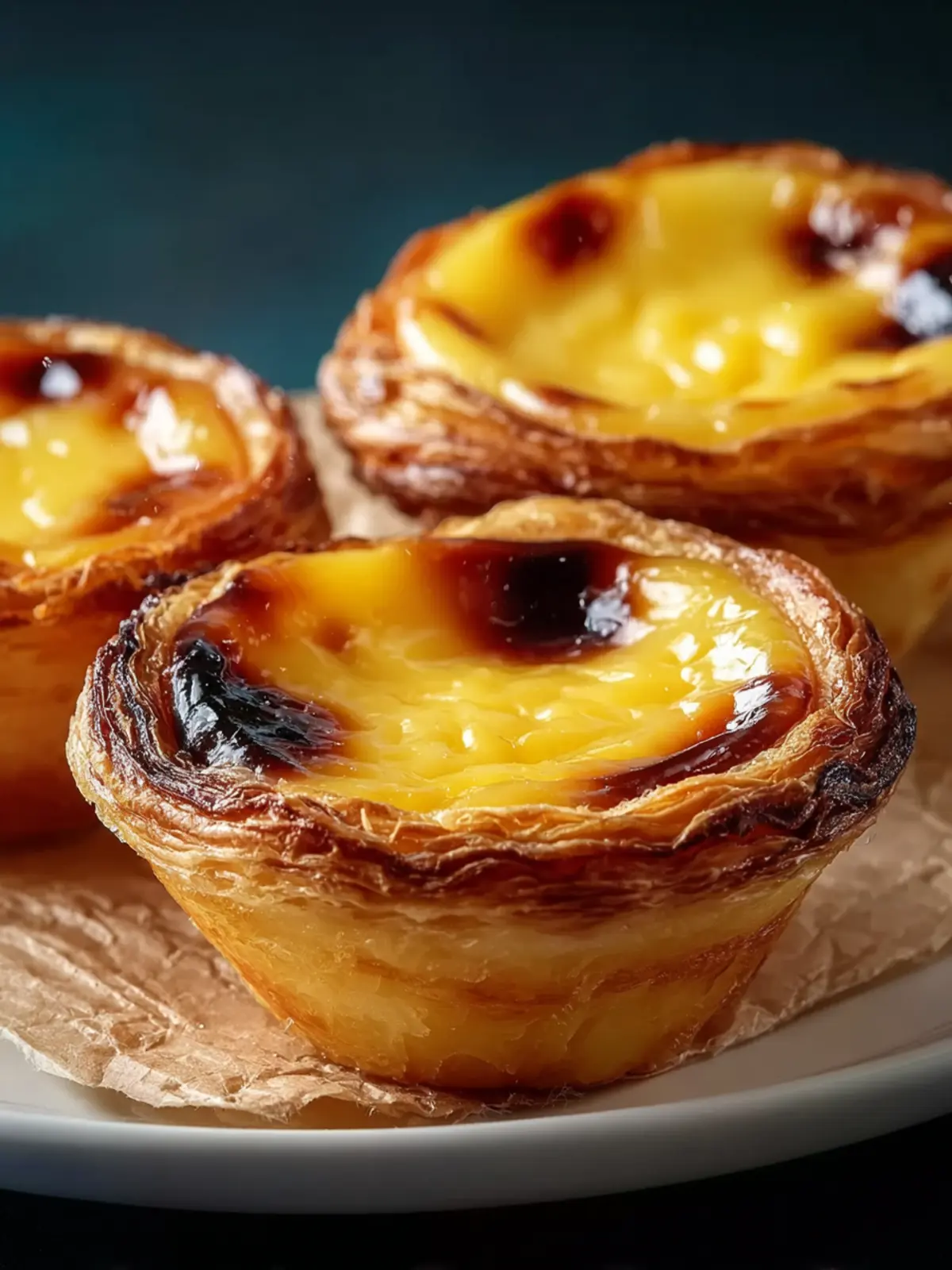
Understanding the key ingredients for Pastel de Nata elevates this beloved Portuguese pastry from ordinary to extraordinary. Each component tells a story of culture and flavor, making every bite a delightful experience.
-
Puff Pastry: The flaky layers of puff pastry are the foundation of any good Pastel de Nata. Choose a high-quality store-bought version, or if you’re feeling adventurous, make your own from scratch. The butter layers achieve a perfect crunchy texture that contrasts the creamy filling.
-
Egg Yolks: The richness of the Pastel de Nata comes from the egg yolks, which create a custard that’s velvety and smooth. Remember, using fresh eggs enhances the flavor profile.
-
Sugar: Granulated sugar sweetens the custard, but it’s also crucial for that signature caramelization on top. A little sugar goes a long way in creating that golden, toasty look.
-
Milk and Cream: A mix of whole milk and heavy cream contributes to the indulgent, silky custard. It’s this blend that gives the dessert its distinctive richness.
-
Cinnamon and Vanilla: While not overly traditional, a hint of cinnamon and a splash of vanilla extract can elevate the taste. They add depth to the custard and hint at warmth with every delicious bite.
Embracing these ingredients will surely guide you in creating authentic and irresistible Pastel de Nata. Enjoy the baking journey!
Why You’ll Love This Pastel de Nata
Every bite of Pastel de Nata, the beloved Portuguese custard tart, envelops your senses in a delightful experience that combines warmth, comfort, and just the right hint of nostalgia. Imagine sinking your teeth into a creamy custard nestled in a flaky, buttery pastry shell, and you’ll understand why this treat has won hearts around the globe. It’s a perfect pairing for your morning coffee or a sweet afternoon pick-me-up, making it more than just dessert; it’s a moment to savor.
Here’s why this Pastel de Nata will quickly become a staple in your baking repertoire:
-
Incredible Texture: The contrast between the rich, velvety custard and the crisp pastry is nothing short of magical. Each bite offers a mouthfeel that feels both indulgent and satisfying.
-
Easy to Make: With straightforward ingredients and clear steps, even novice bakers will feel accomplished. You don’t need to be a pastry chef to whip up this beloved classic.
-
Customizable: While traditional Pastel de Nata is fantastic on its own, there’s room for creativity. Consider adding lemon zest for a fresh twist or a sprinkle of cinnamon for warmth.
-
Perfect for Sharing: Whether it’s a family gathering or brunch with friends, these delightful tarts are sure to impress and make everyone feel included in the joy of home baking.
In short, making your own Pastel de Nata means more than just enjoying a sweet treat; it’s about creating beautiful memories with each batch.
Tips for Making Perfect Pastel de Nata
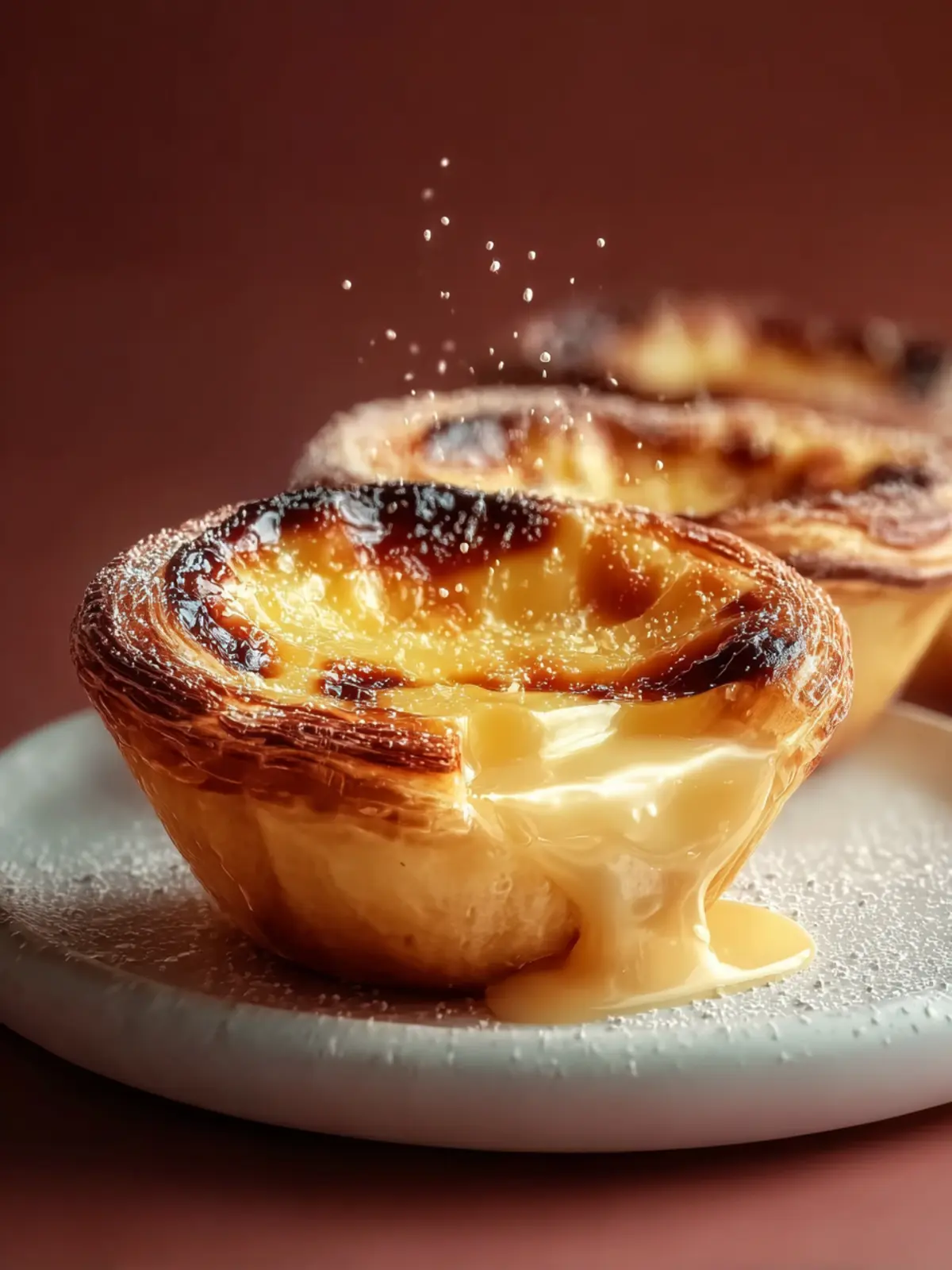
Creating the ideal Pastel de Nata can often feel like a culinary journey, so it’s helpful to have a few insider tips to ensure your pastries turn out perfectly every time. These little custard tarts, with their flaky crust and creamy filling, are a true delight when made with care.
Choose the Right Pastry
Using high-quality puff pastry is crucial for a flaky texture. If you can, opt for a pastry that’s made with butter rather than margarine; this enhances the flavor and contributes to that all-important golden color in the tarts.
Master the Custard
For the filling, ensuring a smooth custard is key to your pastry’s success. Whisk the egg yolks well with sugar and cornstarch before slowly incorporating the milk. This will prevent any lumps and create a velvety texture that melts in your mouth.
Bake at the Right Temperature
Preheat your oven to a very high temperature—around 475°F (245°C). This mimics traditional baking methods found in Portugal, which famously use wood-fired ovens. A high temperature will give you those beautiful charred spots on top of your Pastel de Nata while keeping the custard creamy.
Experiment with Flavors
While the classic recipe is delightful, don’t hesitate to add your twist. A touch of vanilla or lemon zest in the custard can elevate the flavors and make your Pastel de Nata stand out at gatherings.
Master these tips, and you’ll find that your journey to creating perfect Pastel de Nata is not just about the final product but also the joy of cooking itself. Enjoy every step!
Time Details for Pastel de Nata
Crafting Pastel de Nata is much like a delightful journey, where every minute counts toward achieving that perfect custard-filled pastry. Knowing the time commitment for each step can make your baking experience smoother and more enjoyable.
Preparation Time
You’ll need about 30 minutes for preparation. This includes mixing your ingredients, rolling out the dough, and filling your pastry cups, ensuring each bite is as delicious as can be.
Baking Time
The Pastel de Nata needs approximately 20-25 minutes in the oven. Keep an eye on them, as the goal is a beautifully browned top with a touch of caramelization.
Total Time
In total, you’re looking at a generous about 1 hour from start to finish. This means you’ll soon be enjoying these wonderful Portuguese delights right in your own kitchen!
Nutritional Information for Pastel de Nata
When you indulge in a Pastel de Nata, you’re not just enjoying a delightful dessert; you’re also mindful of its nutritional profile, which can help balance your enjoyment. Below is a brief overview of what you can expect from each serving of this iconic pastry.
Calories
A traditional Pastel de Nata typically contains about 250 calories. While this may seem like a treat indulgence, the combination of rich flavors and textures makes it worth every bite.
Protein
In terms of protein, each Pastel de Nata offers around 5 grams. Though it’s not a significant source of protein, it does contribute to the overall nutrition of the pastry.
Sodium
For those watching their sodium intake, be aware that a single Pastel de Nata contains approximately 100 mg of sodium. This allows for a delicious dessert experience without overwhelming your daily sodium allowance.
Whether enjoyed with coffee in the morning or as a sweet treat after dinner, the Pastel de Nata is both a culinary delight and a tasty addition to your occasional indulgences.
FAQs about Pastel de Nata
When it comes to Pastel de Nata, those delightful Portuguese custard tarts, the joy of baking them can sometimes be accompanied by a few questions. Here, we’ll address some common inquiries to ensure your experience is as rewarding as sinking your teeth into a warm, flaky bite of these luscious treats.
How can I ensure my custard sets perfectly?
Achieving the ideal custard consistency in your Pastel de Nata is crucial. Here are some tips:
- Use Fresh Ingredients: Fresh eggs and milk yield a richer flavor and texture.
- Proper Tempering: When mixing your egg yolks with the hot milk, do it slowly to avoid cooking the yolks prematurely.
- Consistency Check: Look for a smooth, thick mixture before pouring it into the pastry shells. It should coat the back of a spoon.
What’s the best way to store leftover Pastel de Nata?
Leftover Pastel de Nata, if you can resist the temptation to eat them all at once, should be stored properly to maintain their deliciousness:
- Room Temperature: Place them in an airtight container for short-term storage (1-2 days).
- Refrigeration: For longer storage, refrigerate in an airtight container. They’ll last up to 5 days.
- Reheating: To restore their flakiness, warm them in the oven before serving.
Can I substitute any ingredients in this recipe?
Substitutions are a great way to cater to dietary needs or personal preferences in your Pastel de Nata:
- Dairy Alternatives: You can experiment with almond or oat milk in place of regular milk.
- Sweeteners: If you’re looking for less sugar, try natural sweeteners like maple syrup or agave nectar.
- Gluten-Free Option: If you need a gluten-free crust, use a commercial gluten-free pastry mix, keeping in mind that texture may vary.
With these tips, you can confidently navigate the delightful journey of making Pastel de Nata. Happy baking!
Conclusion on Pastel de Nata
The journey of creating Pastel de Nata unfolds a delicious blend of flavors and textures that transport you straight to the heart of Lisbon. With its delicate pastry crust and creamy custard filling, each bite tells a story of tradition and culinary craftsmanship. As you savor your freshly baked Pastel de Nata, take a moment to appreciate the little details—like the warm, caramelized edges and that kiss of nutmeg atop the custard. Making these delightful treats at home not only satisfies your sweet tooth but also connects you to a rich heritage. Share them with friends, and let the smiles begin!
Print
Pastéis de Nata
- Total Time: 47 minutes
- Yield: 12 tarts 1x
Description
A traditional Portuguese custard tart with a flaky pastry base.
Ingredients
Scale
- 1 cup whole milk
- 1 tablespoon all-purpose flour
- 1 cup granulated sugar
- ½ cup water
- 6 large egg yolks
- 1 cinnamon stick
- 1 strip of lemon peel
- 1 sheet puff pastry (thawed if frozen)
- Powdered sugar and ground cinnamon for dusting (optional)
Instructions
- Prepare the Puff Pastry Base – Start by lightly flouring your surface and rolling out the puff pastry sheet to smooth the seams. Roll it tightly into a log shape, then slice into 12 equal pieces. Press each round into a muffin tin, using your thumbs to mold it up the sides. Chill while you make the filling.
- Make the Custard Filling – In a saucepan, whisk the flour and a bit of milk until smooth. Add the remaining milk, cinnamon stick, and lemon peel. Heat over medium, stirring constantly until thickened. In another saucepan, bring the sugar and water to a boil and let it bubble for 3 minutes—no stirring. Remove both from heat and discard the cinnamon and lemon peel. Let the milk mixture cool slightly. Whisk the egg yolks in a bowl, then slowly add both the sugar syrup and the milk mixture, whisking continuously to avoid scrambling the eggs.
- Fill and Bake – Preheat your oven to 500°F (or as high as it will go). Fill each pastry cup with custard—about three-quarters full. Bake for 15–17 minutes, or until the custard bubbles and blackens slightly on top, and the edges of the pastry are golden brown.
- Cool and Serve – Let the Pastéis de Nata cool slightly before removing them from the tin. Dust with cinnamon and powdered sugar if desired, and serve warm.
Notes
- The spiral pattern you create when rolling the pastry gives that iconic flaky swirl when baked.
- Prep Time: 30 minutes
- Cook Time: 17 minutes
- Category: Dessert
- Method: Baking
- Cuisine: Portuguese
Nutrition
- Serving Size: 1 tart
- Calories: 200
- Sugar: 12g
- Sodium: 80mg
- Fat: 10g
- Saturated Fat: 5g
- Unsaturated Fat: 4g
- Trans Fat: 0g
- Carbohydrates: 24g
- Fiber: 0g
- Protein: 3g
- Cholesterol: 50mg