Follow Me On Social Media!


Homemade Bakery French Bread: Quick & Delicious Perfection

Introduction to Homemade Bakery French Bread – Quick & Delicious
Imagine walking into a bakery, the warm aroma of freshly baked bread enveloping you and beckoning you closer. This moment can easily be recreated in your own kitchen with homemade bakery French bread, which not only fills your home with delightful scents but also fills your heart with joy. Every slice of this bread embodies the perfect blend of simplicity and tradition, making it a staple in many households.
Creating homemade bakery French bread is special for numerous reasons. Firstly, the act of baking bread is inherently satisfying and therapeutic. Kneading dough allows you to connect with the ingredients, transforming simple components into something extraordinary. Furthermore, homemade bread allows you to adjust the flavors and textures to your preference. Want it crusty on the outside with a soft, chewy interior? You’re in control!
This recipe focuses on efficiency without sacrificing flavor. With just a handful of ingredients and straightforward steps, you can enjoy bakery-quality bread in your own home, perfect for serving with soups, making gourmet sandwiches, or even just savoring with a bit of butter. You’ll find that the fresh taste and texture of homemade bakery French bread can elevate any meal, whether it’s a casual weeknight dinner or a weekend gathering with friends.
What makes homemade bakery French bread so special?
-
Simplicity: With basic ingredients like flour, water, salt, and yeast, the charm of French bread lies in its straightforward preparation. This simplicity is what makes it accessible for both novice bakers and seasoned pros alike.
-
Customization: You can easily make this bread your own by adding herbs, cheese, or spices to the dough, offering endless possibilities to suit your culinary creativity.
-
Freshness: There’s nothing quite like the taste of homemade bread. Making it from scratch guarantees that you’re enjoying the freshest possible product without any preservatives.
-
Community: Baking bread is often a shared experience, fostering connection. Whether it’s baking with family or sharing loaves with neighbors, this humble creation brings people together.
In a world filled with pre-packaged goods, taking the time to create something from scratch is a heartfelt endeavor worth celebrating. With each loaf you bake, you’re not just satisfying your hunger—you’re creating memories and traditions. So, let’s dive into this delightful recipe for homemade bakery French bread!

Key Ingredients for Homemade Bakery French Bread – Quick & Delicious
Creating your very own homemade bakery French bread is not just a cooking task; it’s a delightful journey into the heart of culinary tradition. Each ingredient plays a pivotal role in crafting that perfect loaf that transports you straight to a French boulangerie.
Yeast
The magic begins with yeast—active dry or instant yeast is essential to achieve that light and airy texture we all love. There’s nothing quite like the aroma that wafts through your kitchen as it proofs, an enticing promise of deliciousness ready to unfold.
Flour
Choosing the right flour is crucial. All-purpose or bread flour brings a wonderfully chewy crust with a soft interior. Personally, I often reach for all-purpose flour; however, using bread flour gives the bread a more satisfying bite that elevates the experience.
Sugar
A touch of sugar not only sweetens but also helps to activate and feed the yeast. This results in a perfect rise and a beautiful golden color that’s simply irresistible.
Salt
Salt is more than just a seasoning; it adds essential flavor and bolsters the overall integrity of the bread, making each bite flavorful.
Oil
Whether you prefer vegetable or olive oil, this ingredient keeps the bread moist and introduces a delightful richness that enhances the loaf.
Water
Water is key to activating the yeast properly. A blend of warm and hot water hydrates the flour, setting the stage for a successful bake.
Egg
Brushing the loaves with an egg wash before baking creates a beautiful shiny finish, turning your loaves into true showstoppers as they come out of the oven.
Embarking on this homemade bakery French bread adventure is worth every moment. With these key ingredients in hand, you’ll be well on your way to baking something extraordinary.
Why You’ll Love This Recipe
Savoring a slice of warm, homemade bakery French bread is an experience everyone should have. Picture this: the enticing aroma filling your kitchen, your friends gathered around, and that first bite—crispy on the outside and soft and fluffy within, it’s pure bliss! This recipe is crafted for those lively weeknights when you want to impress without a marathon of prep time.
Quick and Simple
The best part? You don’t need to be a baking expert. The straightforward steps guide you through mixing, kneading, and baking in no time at all. In under two hours, your homemade bakery French bread will be ready to serve.
Endless Versatility
This bread is more than just a side; it can elevate your meals. Whether you’re pairing it with a rich soup, serving it at brunch with some jam, or using it to soak up delicious pasta sauce, it adapts beautifully to any setting.
Healthier Choices
Making bread at home means you control the ingredients. This recipe focuses on simple, natural elements without preservatives or additives. Freshly baked bread not only tastes better, but it can also contribute to a healthier lifestyle.
Once you try it, you’ll want to make homemade bakery French bread a weekly tradition!

Tips for Making Perfect Homemade Bakery French Bread
Creating homemade bakery French bread in your kitchen can feel like a delightful escape to a charming Parisian boulangerie. Achieving that golden crust and airy interior might seem daunting, but with a few clear tips, you’ll have everyone asking for your secret recipe!
Use the Right Flour
For the best results, opt for bread flour. Its higher protein content helps produce a chewier texture and gives your bread the structure it needs. All-purpose flour can work in a pinch but won’t provide that classic crust.
Don’t Rush the Rising Time
Patience is key. Allow your dough to rise slowly at room temperature for a longer, more flavorful fermentation. Letting it rest overnight in the fridge can lead to a richer taste and enhanced texture.
Nail the Steam
Creating steam in your oven is essential for achieving that beautiful crust. Place a baking dish filled with water in the oven while your bread bakes. This moisture keeps the crust supple while it starts to form, leading to a perfect bake.
Score Your Bread
Before baking, use a sharp knife to score the dough. This helps release gases and control how the bread expands, ensuring it rises beautifully and develops a lovely crust.
Cool Before Slicing
It’s tempting to cut into that warm loaf right away, but letting it cool for at least 30 minutes will improve texture and flavor. Trust me, it’s worth the wait!
Time Details for Homemade Bakery French Bread
Crafting your own homemade bakery French bread is an exciting adventure that requires a balance of patience and enthusiasm. Understanding the timeline can transform this baking journey into a delightful experience.
Preparation Time
Getting the ingredients together and mixing them requires about 15 minutes. This is your time to savor the process and breathe in the delightful aroma of flour and yeast.
Rising Time
The true magic happens during the first rise, which takes about 1 hour. During this time, you can take a short break and prepare your baking area or perhaps enjoy a cup of coffee while dreaming of the warm loaves ahead.
Baking Time
Baking the bread in a preheated oven takes around 25 to 30 minutes. It’s thrilling to watch as your dough transforms into golden-brown perfection!
Total Time
From start to finish, you’re looking at approximately 1 hour and 45 minutes to freshly baked homemade bakery French bread. A little time invested for a whole lot of satisfaction!
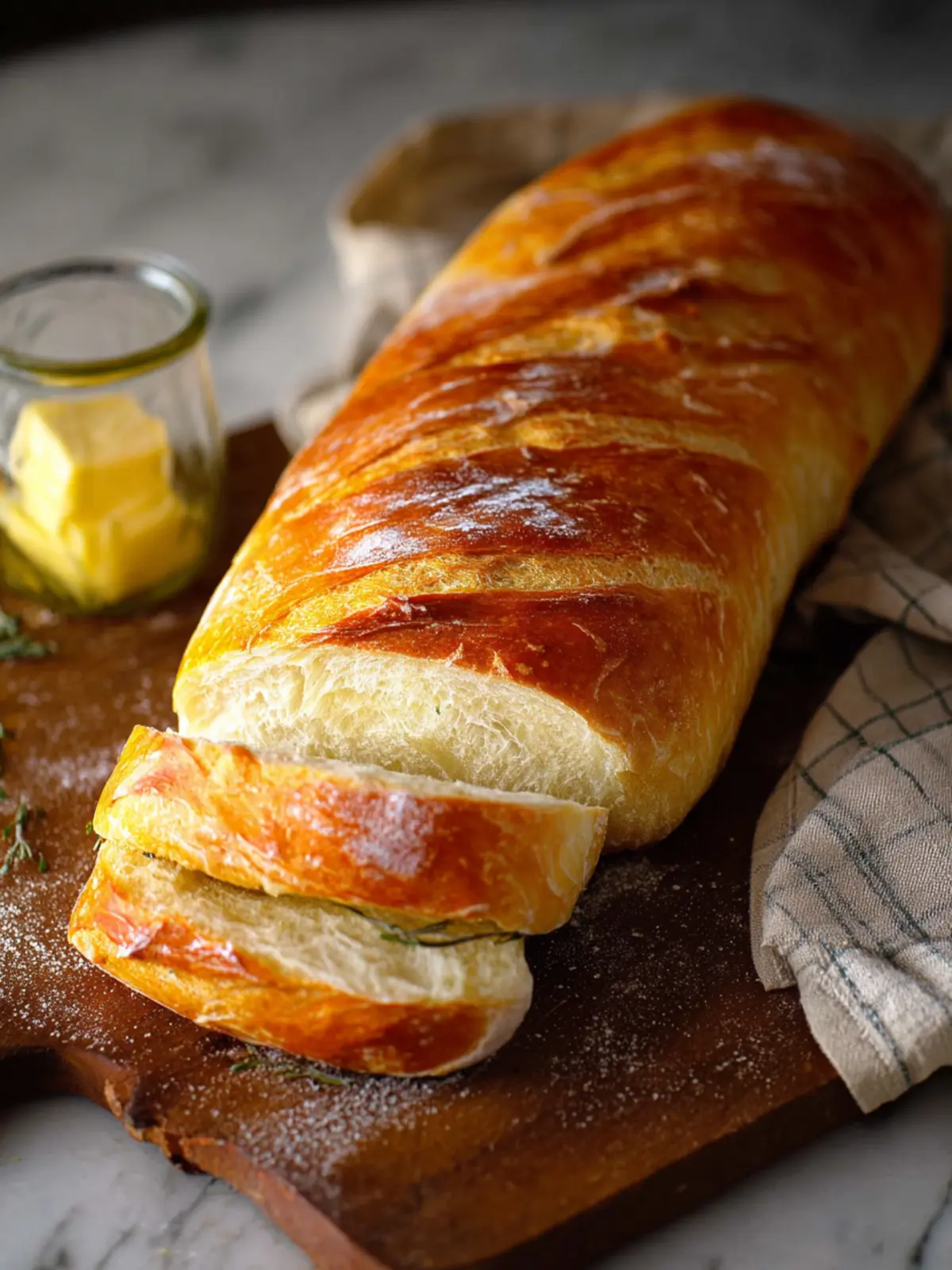
Nutritional Information for Homemade Bakery French Bread
When crafting homemade bakery French bread, it’s important to enjoy the deliciousness without compromising your nutritional goals. Here’s a quick rundown of what you can expect in each slice.
Calories
Each serving typically contains about 120 calories, making this bread a lighter option that complements various meals.
Carbohydrates
With approximately 23 grams of carbohydrates per slice, homemade bakery French bread offers a satisfying source of energy, perfect for fueling your day.
Protein
You’ll find around 4 grams of protein in each serving, which is a nice boost for your diet, especially if you’re enjoying this bread alongside protein-rich dishes.
Sodium
The bread contains roughly 200 milligrams of sodium per slice. While this is moderate, those watching their salt intake should take note and adjust as needed.
This combination makes homemade bakery French bread not just a culinary delight but also a balanced addition to your table!
FAQs about Homemade Bakery French Bread
Baking homemade bakery French bread can feel like a daunting task, but it’s truly a rewarding experience. Whether it’s the aroma wafting through your kitchen or the delight of pulling a golden loaf out of the oven, the endeavor is well worth it. Here are some frequently asked questions that can guide you in your baking journey.
How do I know when my bread is done baking?
The perfect loaf of homemade bakery French bread has a golden brown crust and a hollow sound when tapped on the bottom. You can also use a kitchen thermometer; your bread should reach about 190°F (88°C) in the center.
What can I use if I don’t have bread flour?
If you find yourself without bread flour, don’t worry! All-purpose flour can be a great substitute. Just keep in mind that bread flour has a higher protein content, making your bread chewier and giving it better structure. For similar results with all-purpose flour, consider adding a bit of vital wheat gluten to your mix.
Can I freeze homemade French bread?
Absolutely! Freezing homemade bakery French bread is a fantastic way to preserve its freshness. Once cooled, wrap your loaf tightly in plastic wrap and then place it in a freezer bag. It can stay fresh in the freezer for up to three months. When you’re ready to eat it, simply let it thaw at room temperature or pop it in the oven for a few minutes to regain its crusty exterior.
How should I store leftover bread?
To keep leftover French bread fresh, store it at room temperature in a paper bag or wrapped in a kitchen towel. Avoid plastic wraps, as they can make the crust soggy. If you have a large loaf, slice it and store it in an airtight container to maintain its crustiness while protecting it from drying out.
By having these key tips in mind, you’re well on your way to mastering the art of baking homemade bakery French bread!
Conclusion on Homemade Bakery French Bread – Quick & Delicious
In a world filled with bakery options, making your own homemade bakery French bread can be a delightful adventure. Not only is the aroma of baking bread intoxicating, but the end result is always worth the effort. The crusty exterior combined with a soft, airy crumb creates a perfect foundation for any meal. Whether you pair it with a hearty soup or enjoy it with a bit of butter, this recipe is sure to impress. So roll up your sleeves, gather your ingredients, and indulge in the joy of baking. You might just find that your kitchen becomes your new favorite bakery!
Print
Homemade Bread
- Total Time: 1 hour
- Yield: 3 loaves 1x
- Diet: Vegetarian
Description
Delicious homemade bread recipe that yields soft and fluffy loaves.
Ingredients
Scale
- 2 tablespoons yeast (active dry or instant)
- 1/2 cup warm water (around 110°F)
- 2 cups hot water
- 3 tablespoons sugar (helps activate yeast)
- 2 teaspoons salt (for flavor)
- 1/3 cup oil (vegetable or olive)
- 6 cups flour (all-purpose or bread flour)
- 1 egg for brushing (adds shine)
Instructions
- In a small bowl, dissolve yeast in ½ cup warm water. Let it proof for 10 minutes until bubbly.
- In a mixing bowl, combine hot water, sugar, salt, oil, and 3 cups of flour. Add the yeast mixture.
- Add the remaining 3 cups of flour, one cup at a time, until the dough pulls away from the bowl.
- Divide the dough into 3 pieces and shape them into loaves on a greased baking pan.
- Make 3-4 diagonal cuts on top and brush with beaten egg.
- Let the dough rise uncovered in a warm place for 30-40 minutes.
- Bake at 375°F for 18-22 minutes or until golden brown.
Notes
- Ensure the yeast is fresh for best results.
- Let the dough rise in a warm area for optimal leavening.
- Prep Time: 20 minutes
- Cook Time: 22 minutes
- Category: Baking
- Method: Baking
- Cuisine: American
Nutrition
- Serving Size: 1 slice
- Calories: 150
- Sugar: 1g
- Sodium: 150mg
- Fat: 5g
- Saturated Fat: 0.5g
- Unsaturated Fat: 4.5g
- Trans Fat: 0g
- Carbohydrates: 30g
- Fiber: 1g
- Protein: 4g
- Cholesterol: 18mg